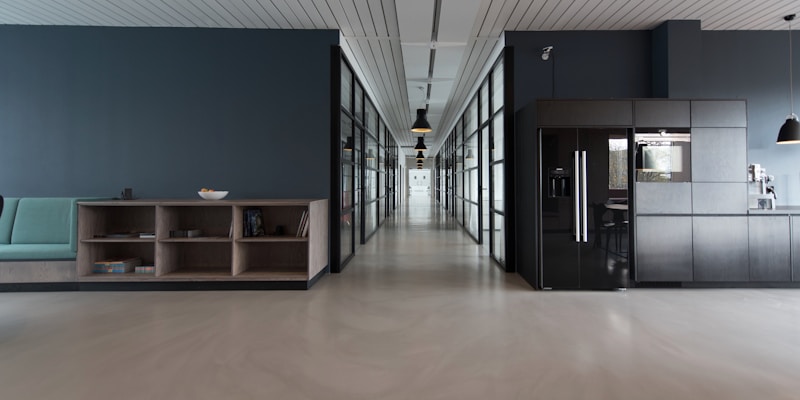
The Smart Building Revolution
Today's tenants expect more than four walls and a roof. They want buildings that are intelligent, responsive, and seamlessly integrated with their digital lives. Smart building technologies are meeting these expectations while creating operational efficiencies for landlords.
#
Core Smart Building Technologies
1. IoT Sensor Networks
The foundation of any smart building is its sensor infrastructure. Modern buildings deploy thousands of sensors monitoring:
- Occupancy and space utilization
- Air quality (CO2, particulates, humidity)
- Temperature and comfort conditions
- Lighting levels
- Equipment performance
2. Mobile Access Control
Physical keys and access cards are giving way to smartphone-based credentials:
- Seamless entry using mobile apps
- Visitor management with digital passes
- Touchless access reducing contamination concerns
- Integration with tenant workplace apps
Modern HVAC systems use AI and sensor data to optimize comfort:
- Zone-based temperature control
- Demand-controlled ventilation based on occupancy
- Weather-predictive pre-conditioning
- Personalized comfort settings for tenants
Smart lighting goes beyond motion sensors:
- Circadian lighting that adjusts color temperature throughout the day
- Daylight harvesting to reduce energy use
- Personalized lighting preferences
- Integration with occupancy patterns
Tenant Experience Applications
Tenant Experience Apps
Building apps provide a unified interface for tenants:
- Room and amenity booking
- Maintenance request submission
- Community features and announcements
- Access credential management
- Building services and perks
Indoor positioning systems help visitors and new employees:
- Turn-by-turn directions within buildings
- Point-of-interest discovery
- Emergency evacuation routing
- Accessibility features for all users
Data helps tenants optimize their space usage:
- Real-time desk and meeting room availability
- Utilization reports for space planning
- Hybrid work support features
- Collaboration pattern insights
Implementation Best Practices
Start with Infrastructure
Ensure robust network connectivity (wired and wireless) before deploying smart systems. A strong backbone is essential.
Prioritize Integration
Choose platforms that work together. Siloed smart building systems create complexity and limit value.
Focus on User Experience
Technology should simplify, not complicate. Prioritize intuitive interfaces and seamless experiences.
Plan for Privacy
Be transparent about data collection. Give tenants control over their personal information.
#
The ROI of Smart Buildings
Smart building investments deliver returns through:
- 10-20% energy cost reductions
- Higher tenant retention and satisfaction scores
- Premium rental rates for advanced buildings
- Reduced operational and maintenance costs
- Enhanced asset value and marketability
The Future of Smart Buildings
Emerging technologies will further transform buildings:
- Digital twins for simulation and planning
- Augmented reality for maintenance and navigation
- Voice interfaces for building control
- Autonomous maintenance and cleaning